Report: Rewilding Finance
Harnessing high-integrity investment to boost rewilding across Britain.

A radical shift in nature recovery funding and investment is needed to ensure the progression of large-scale nature restoration in Britain that鈥檚 vital to combat the nature and climate crises.
That鈥檚 why we鈥檝e partnered with experts in nature positive financial mechanisms, Terranomics, to produce a new vision outlining how Britain鈥檚 funding landscape can be enhanced for scaling up rewilding. Just some of the findings of the Rewilding Finance Report, published in June 2024, show that:
- Major rewilding projects are struggling to navigate a confusing funding landscape
- Government funding schemes are under-delivering
- Rewilding projects and funders are frequently not finding each other
Practitioners are already tackling the interlinked nature and climate crises through large-scale landscape recovery. But the current system is holding them back.
We鈥檙e calling for:
1. Secure public funding and policy from UK and devolved governments
Recent developments in public payment for public goods schemes, nature market frameworks and funding mechanisms by the UK and devolved governments have been positive. But they have yet to provide the long-term certainty and stability that landowners, land managers, communities and investors need in order to commit to rewilding as part of a just land use transition. Clear and coordinated incentives are needed over at least 15鈥夆�撯��20 years, within well-enforced regulatory frameworks that support and safeguard investments and ensure that they bring shared value for nature, the economy and local communities.

“Such an important report out, given the huge deficit in funding for nature restoration.”
Lorienne Whittle
Project Manager (Landscape Recovery), Boothby Wildland at Nattergal
2. Private and philanthropic sectors should accelerate large-scale rewilding
There鈥檚 increasing investor demand for Payments for Ecosystem Services, and Nature-Based Solutions as an investable asset class are quickly gaining traction. New mechanisms for financing rewilding are emerging at pace, such as ecotourism, and there鈥檚 also growing interest from investors in carbon and nature markets.
We need to pilot and fast-track a portfolio of high-quality, large-scale, investable rewilding projects that build confidence and demonstrate the holistic benefits that a rewilding approach can achieve for people, nature and local communities.
3. Enable diverse locally- and community-led partnerships to upscale rewilding
Rewilding practitioners are a diverse group whose funding and financing needs vary significantly in scale and type. Achieving equitable and sustainable financial benefit sharing across these stakeholders can be challenging and their governance structures represent complex and unfamiliar ground for investors.
Building the capacity of trusted locally- and community-led partnerships or 鈥�鈥�anchor institutions鈥� to co-design large-scale investable rewilding initiatives will help to attract and coordinate significant inward investment. These should ensure that environmental, economic and social benefits are shared equitably and integrated within a wider green economic transition.

“This report is very timely, and does a great job of highlighting the key next steps needed.”
Alice McCourt
Biodiversity Net Gain Manager (secondment), Northumberland Wildlife Trust
4. Better connections between rewilding initiatives and investors /鈥媐unders
Enabling entrepreneurial networks of brokers and market builders could support the development of a market infrastructure that would more effectively facilitate multi-outcome rewilding projects.
Despite a plethora of networks, knowledge platforms, funding brokers, project accelerators, directories, registries and trading platforms the market infrastructure for nature restoration and rewilding funding remains fragmented. It lacks the standardisation and commonly recognised definitions and frameworks that investors typically need when assessing new opportunities, and doesn鈥檛 yet adequately support the specific characteristics of successful rewilding.
5. High-level, sustainable principles for investing in rewilding
We need to see rewilding practitioners, investors, governments, brokers and other stakeholders coalesce around common goals and navigate financing opportunities effectively. That鈥檚 why we鈥檝e developed a set of principles for financing rewilding, which we believe will help ensure quantifiable and equitable environmental, economic and social benefits for鈥夆�斺�塧nd with鈥夆�斺�塴ocal communities and wider society.
Financing Rewilding case studies
Explore how rewilding projects across Britain are using pioneering approaches to finance their work.
-

Case study: Nattergal
Nattergal is a private nature restoration company run by rewilding and financing experts. Its business model is to deliver ecosystem restoration and to commercialise the resulting ecosystem services generated.
-

Case study: The Atlantic Rainforest Restoration Programme
Insurance company Aviva is working to restore Britain鈥檚 lost temperate rainforests while helping it reach net zero in what is believed to be 鈥�鈥�the largest ever corporate donation into nature conservation in the UK.
-
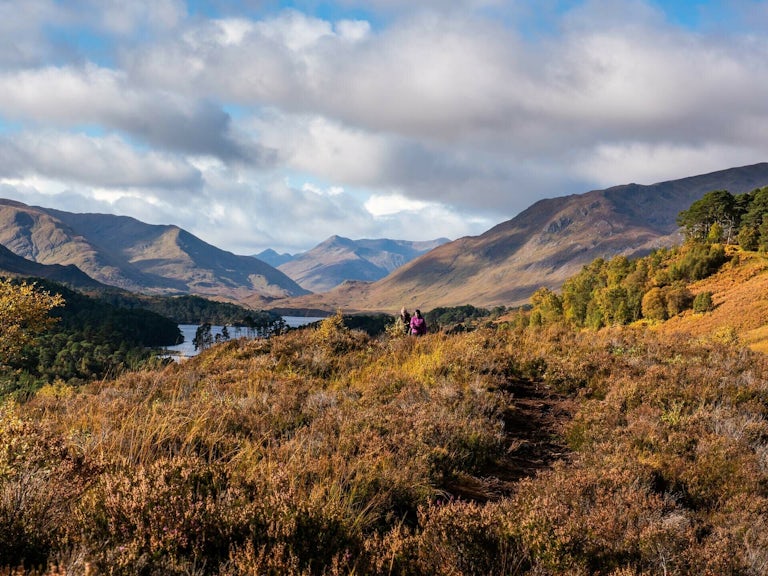
Case study: Trees for Life
Based in the Scottish Highlands, charity Trees for Life has developed an innovative rewilding financing model on its land that provides direct community benefits through carbon credits.
-
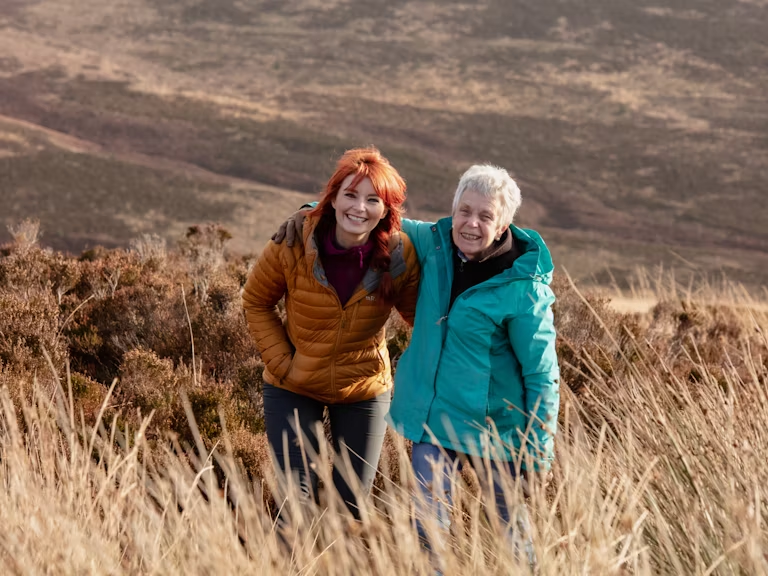
Case study: Tarras Valley Nature Reserve
The residents of Langholm pulled off not one, but two, community buyouts to raise a total of 拢6 million to purchase a 4,249ha nature reserve from Buccleuch Estates鈥夆�斺�塵aking the reserve south Scotland鈥檚 largest community buyout.
-

Case study: Revere
Revere is working to co-design and aggregate nature restoration projects across Britain鈥檚 15 national parks into financeable portfolios for investors. Community benefits are a central requirement.

Rewild your business
Take action for nature and climate by becoming a corporate partner of 黑料正能量.
Become a partner