Wilder National Parks
National parks should be a cornerstone of our approach to restoring nature and supporting thriving communities.

“Our national parks should be amongst the most precious jewels in the crown of the UK鈥檚 natural landscapes.”
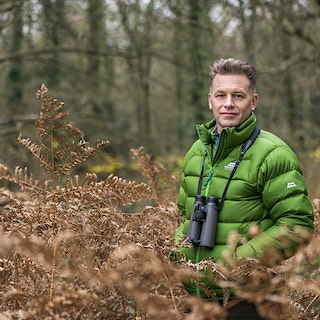
Chris Packham
Naturalist and TV presenter
Britain鈥檚 national parks, from the Peak District to the Cairngorms, represent some of our most cherished landscapes, where millions of people each year connect with the natural world. Now it鈥檚 time for these special places to work harder in restoring nature and supporting thriving communities.
What are national parks?
Britain鈥檚 15 national parks 鈥� the first of which dates back 1951 鈥� are special areas covering 12% of the land in Scotland, England and Wales. They protect important landscapes and wildlife habitats, are places where people live and work, and provide a unique experience for huge numbers of visitors each year.
Their special purpose, enshrined in law, is to:
- conserve and enhance the natural beauty, wildlife and cultural heritage of an area
- provide opportunities for people to connect with these unique features
- promote the sustainable economic and social development of the communities that live within them
What鈥檚 the issue?
While national parks have largely protected these remote swathes of land from built development, it鈥檚 clear that they鈥檙e not delivering for nature and biodiversity or for communities. The stats speak for themselves:
Three-quarters of Sites of Special Scientific Interest within England鈥檚 national parks are in a poor condition and often in a worse state than elsewhere.(1)
There鈥檚 less woodland cover in the Yorkshire Dales than London, less in the Peak District than Leeds, and less in the Lake District than Sheffield.(2)
The UK is currently placed in the lowest 12% of global countries and territories for biodiversity intactness.(3) 56% of our species are in decline and 15% threatened with extinction.(4)
The UK Government has pledged to protect 30% of the UK鈥檚 land and sea for nature by 2030. Without wilder national parks, this is just not credible.
We believe that national parks should be a cornerstone of our approach to restoring nature and supporting thriving communities. If we cannot achieve this within our parks, where can we?
Why we need wilder national parks

To support nature鈥檚 recovery
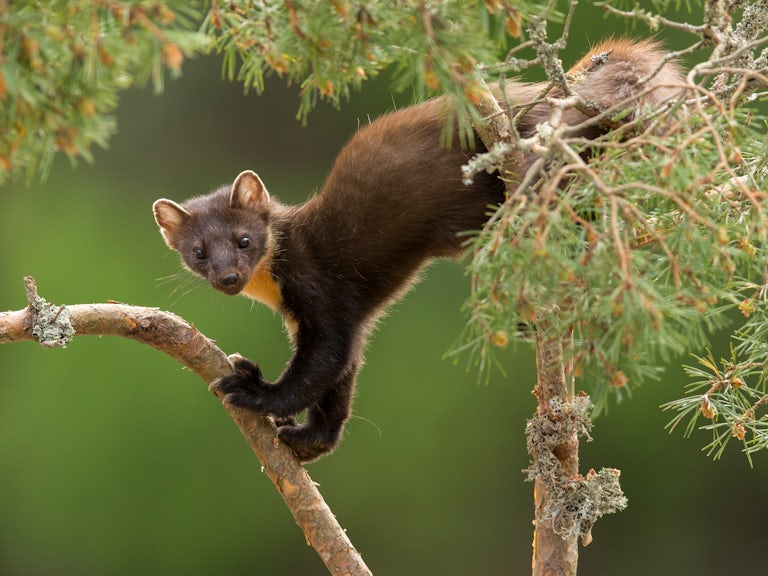
National parks are the last bastion of hope for many declining species鈥夆�斺�塴ike the golden eagle. They鈥檙e also prime places for the reintroduction of missing keystone species, such as the pine marten, which could help ecosystems recover.

To create nature-based economies
Several hundred thousand people live in national parks.(5) Wilder national parks could help these rural economies become more resilient: rewilding projects have been shown to increase job numbers and generate revenue from a range of nature-based enterprises.

To tackle the climate emergency
Our national parks act as essential carbon stores. They鈥檙e also the first line of defence against the effects of climate change, such as flooding. We cannot let these landscapes become even more barren and eroded than they are, until they can no longer provide these vital ecosystem services.

To connect us with nature-rich, wild places
For many people, our national parks are where they connect with nature and understand the importance of not only preserving, but helping it to flourish. We want to see these special places teeming with wildlife once again.

To inspire nature recovery nationwide
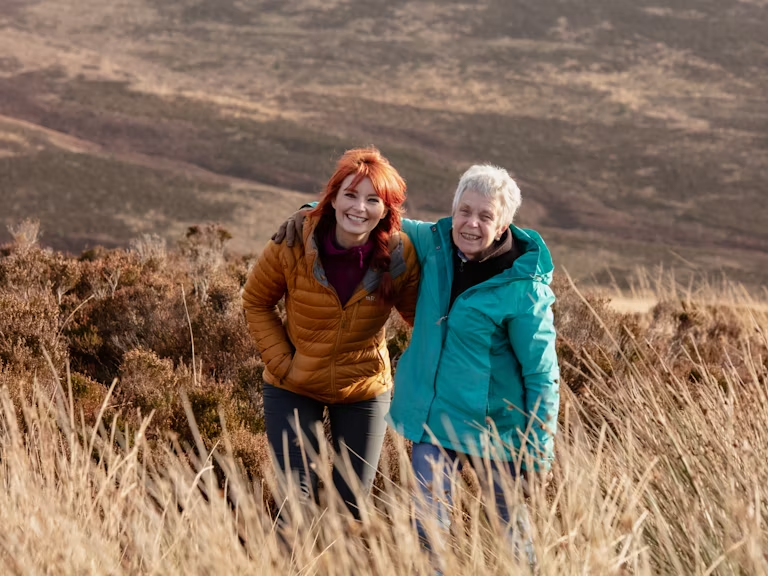
Members of our Rewilding Network are already leading fantastic rewilding projects in national parks 鈥� from Haweswater in the Lake District to Mar Lodge in the Cairngorms. These really are the pioneers demonstrating how we can create a wilder Britain across the board.
What 黑料正能量 wants to see
We鈥檙e challenging the UK and devolved governments to make nature recovery the primary purpose of our national parks. Here鈥檚 why the time is ripe to push for this now across our three nations:
The Scottish Government is on the verge of designating a third national park, having consulted the public on the role of national parks.
Wales is set to create a fourth national park in the Clwydian Range.
In England the UK Government鈥檚 very own recommended wilder areas in national landscapes.
Celebrating our successes
黑料正能量 has already been instrumental in shaping the future of national parks since we launched our campaign in 2021, by:
We launched a petition for wilder national parks, which 50,000+ of you signed and we presented to Defra.
We鈥檝e proved there鈥檚 overwhelming support for the cause. We commissioned polling from YouGov which shows that 83% of the public support Britain鈥檚 national parks being made wilder.
We鈥檝e made our voice heard loud and clear in the policy world. We鈥檝e contributed to the UK Government鈥檚 nature consultations and the Scottish Government鈥檚 consultation on the future for national parks in Scotland, submitted responses to regional National Park Authority consultations and lobbied Defra. Pressure from us, alongside other environmental charities, means the UK Government has tightened up the for national parks and Areas of Outstanding Natural Beauty (AONBs) so they deliver more for nature and force public bodies, such as water companies, to play their part too.
We continue to support pioneering members of the Rewilding Network in their pursuit of nature recovery across Britain, including seven within national parks.
But we鈥檙e not done yet! Sign up to our newsletter for updates on how you can help us further the campaign.
83% of Brits want national parks: YouGov polling, October 2021
1. Figures from
2.
3.
and the Natural History Museum
4.
5. The Office for National Statistics' came up with the figure of 413,425.