Five rewilding projects restoring habitats at scale
For World Habitats Day we鈥檙e celebrating rewilding projects that are pioneering rewilding鈥檚 big-picture approach to restoring land and sea.

Published 02/10/2023
With the sobering news last week that one in six species are at risk of extinction in Britain, it鈥檚 devastating that the UK Government is falling woefully behind on its targets to protect 30% of the UK鈥檚 land and sea by 2030.
We need urgent action from our leaders. Our wildlife will only bounce back if habitats are restored.
But there is hope. This World Habitats Day we鈥檙e celebrating the inspiring rewilding projects that are taking action to bring species back and restore habitats at a landscape-scale.
Instead of focusing on the conservation of a single habitat, rewilding kick-starts natural processes at scale to restore and connect a mosaic of habitats. This boosts biodiversity, restores fully-functioning ecosystems and gives nature space to thrive. Rewilding recognises that nature needs to exist beyond closed and isolated pockets of land.
From wetlands to woodlands to sea, discover five Rewilding Network projects that are pioneering rewilding鈥檚 big-picture approach to restoring habitats.

1. Wild Peak鈥夆�斺�堿 Wilder National Park
Wild Peak is Derbyshire Wildlife Trust鈥檚 ambitious rewilding initiative. It is working in partnership with landowners, local communities and project leaders to restore and connect habitats across the Peak from its woodlands to its peatlands and meadows. Since it launched in March 2021, many local landowners have pledged to rewild. There鈥檚 now even a Wild Peak Network, supporting knowledge exchange.

2. Weald to Waves鈥夆�斺�堿 100 mile nature recovery corridor
Weald to Waves was set up to help reverse habitat fragmentation in Sussex and forge connections for wildlife. Its network, including farmers, land managers, councils, schools and community groups, is aiming to establish a nature recovery corridor that stretches from Ashdown Forest, taking in the Knepp Estate and several rivers, down to the kelp forests of the Sussex coast.

3. Wilder Blean鈥夆�斺�塗he bison were just the beginning
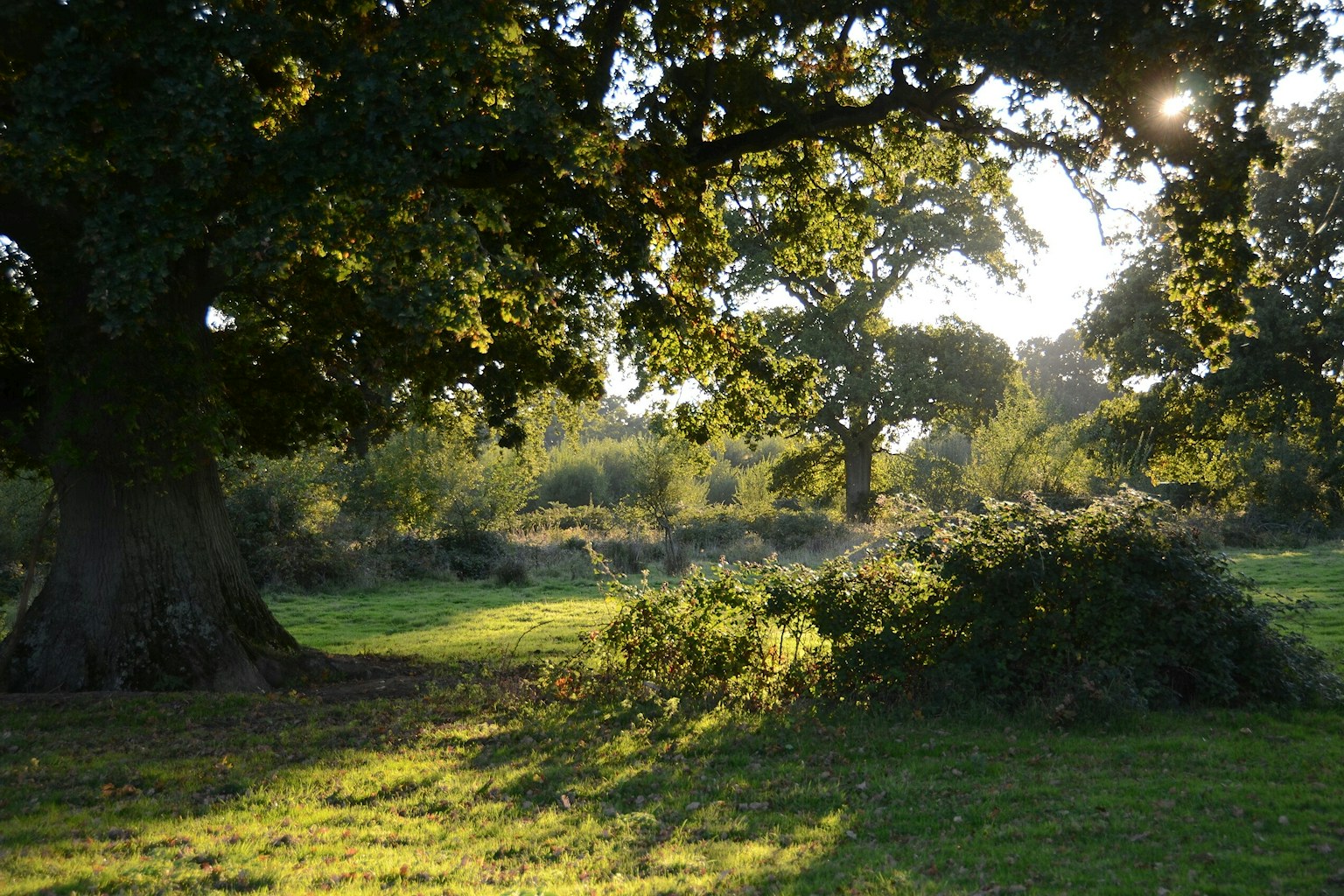
Kent Wildlife Trust was the first-ever beneficiary of the Rewilding Challenge Fund, in support of their ambitious plans to scale up rewilding within and beyond the Blean Woods (home to the UK鈥檚 first reintroduced European bison). The Trust鈥檚 aim is to rewild tens of thousands of hectares in southeast England, connecting a rich range of habitats including Blean鈥檚 ancient woodlands, creating green corridors for wildlife, and boosting eco-tourism.
Could your rewilding project be next?
We still have 拢100k to reward to one rewilding project looking to scale up their ambition and Think Big, Act Wild. Our annual Challenge Fund is open until 12 October.

4. Native Oyster Network鈥夆�斺�塗he marine life protectors
As well as filtering and cleaning water, oyster reefs provide a vital habitat for other marine life. Set up in 2017, the Native Oyster Network includes academics, conservationists and NGOs. They are working together to restore the native oyster population across the UK and Ireland by connecting native oyster restoration projects, sharing knowledge, and championing the cultural and environmental value of oysters.

5. Affric Highlands鈥夆�斺�塗he 30-year vision
Led by Trees for Life, this ambitious 30-year rewilding initiative is bringing together communities, businesses and landowners across the central Highlands, between the west coast and Loch Ness. Affric Highlands aims to restore the native woods, especially the ancient Caledonian forest, along with rewilding the peatlands and riverside habitats to create a landscape 鈥�鈥�where nature, people and livelihoods support one another to thrive.鈥� Wildlife corridors will help support the return of threatened species, such as the wildcat.

Explore our Rewilding Manifesto
We need UK Government to Think Big and Act Wild for nature, people and planet.
Learn more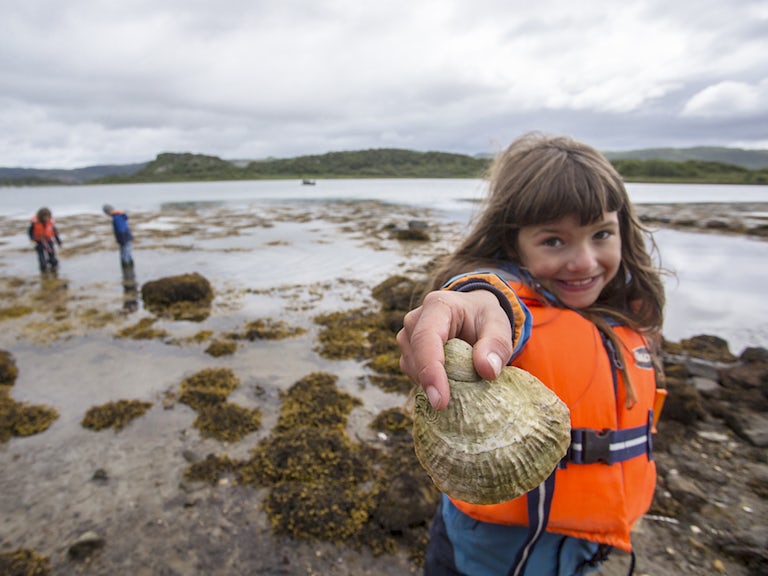
Our vision
We have big ambitions. Find out what we鈥檝e set out to achieve through rewilding.
Our 2025-2030 strategy


